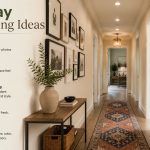
A well-styled entryway needs four things: a surface to set things down, a place to sit or store shoes, a mirror or wall focal point, and layered lighting. You don’t need a large foyer to hit all four — even a 3-foot-wide landing spot by the front door can cover this list with the right pieces sized correctly.
The Entryway Styling Checklist
- A console table, shelf, or slim surface for keys and mail
- A mirror positioned for a quick check on the way out
- Seating or a landing spot for shoes — bench, stool, or boot tray
- A rug that can handle dirt, water, and daily foot traffic
- At least one light source beyond the overhead fixture
- A hook or two for bags and jackets, even in tight spaces
If your entryway checks off most of that list, the styling part is really just about layering texture and personality on top. If it’s missing two or three items, start there before worrying about decor.
Start With the Console Table
A console table anchors most entryways, and the sizing matters more than the style. Leave at least 30 to 36 inches of walking clearance in front of it — a table that technically fits but blocks the path will get moved to the garage within a month. Depth of 12 to 16 inches works for most entry spaces without eating into the walkway.
How Do You Style a Console Table?
Group items in odd numbers — a lamp, a small stack of books, and one decorative object is a reliable starting formula. Keep the tallest item toward one side rather than dead center, and leave at least a third of the surface empty so it still functions as a landing spot for keys and mail.
Mirror Placement
Hang the mirror where it catches natural light if possible, not directly across from a wall. In smaller entryways, a mirror leaning against the wall on a console table can feel more relaxed than one mounted high, and it’s easier to reposition later.
Storage and Seating
A bench with storage underneath solves two problems at once — somewhere to sit while putting on shoes, and somewhere to hide the shoes themselves. In apartments without room for a bench, a slim storage ottoman or a wall-mounted shoe rack does similar work in a fraction of the footprint.
What Furniture Goes in an Entryway?
The core pieces are a console table or shelf, a bench or stool, and a mirror. Beyond that, a small basket or tray for loose items, hooks for bags, and a rug that can be swapped seasonally round out a functional, styled entryway without overcrowding it.
Lighting Layers
One overhead light rarely does an entryway justice, especially at night when it’s the first thing guests see. A table lamp on the console, paired with a wall sconce or pendant, creates the kind of layered light that makes a small space feel finished instead of functional-only.
Rugs for High-Traffic Entry Points
Choose a rug with a pattern or darker tone near the front door specifically because it’s the hardest-working textile in the house. A flatweave or indoor-outdoor rug handles moisture and grit better than a plush pile, and it’s easier to clean when the weather turns.
Small Entryway Ideas When There’s No Room
Apartments with entry hallways instead of true foyers can still hit every item on the checklist. A narrow floating shelf replaces the console table. A slim mirror leaning against the wall replaces a mounted one. Wall hooks replace a full closet. The formula scales down without losing function.
- Use a floating shelf instead of a table if floor space is tight
- Choose a slim mirror (under 4 inches deep) for narrow walls
- Hang hooks at two heights if kids share the entryway
- Pick a small woven basket for shoes instead of a full rack
Final Styling Tips
Rotate a few decor pieces seasonally — a bowl for keys in summer, a small vase of branches in fall — to keep the entryway feeling current without a full redecorate. And resist the urge to fill every surface; an entryway that’s too busy actually reads as cluttered the moment someone walks in with their hands full.
Frequently Asked Questions
What Size Should an Entryway Console Table Be?
Most entryway console tables run 30 to 48 inches wide and 12 to 16 inches deep. In tighter spaces, a 24-inch-wide table or a wall-mounted shelf works better than forcing in a full-size piece.
How Do You Make a Small Entryway Feel Welcoming?
Add warm lighting, a mirror to bounce light around, and one personal touch like art or a plant. Keep surfaces mostly clear so the space feels calm rather than crowded the moment someone steps in.
Seasonal and Personal Touches
An entryway is one of the easiest spots in a home to rotate seasonally, since it’s usually a small, self-contained vignette. A bowl for sunglasses and keys in summer, a small pumpkin or gourd display in fall, or a vase of seasonal branches in winter keeps the space feeling current without touching the rest of the home.
Personal touches matter here more than in most rooms, since the entryway sets the tone for a guest’s entire impression of the home. A family photo, a piece of art from a favorite trip, or even a well-chosen doormat all add character without requiring much space or budget.
Entryway Styling for Homes With Kids
Households with kids benefit from a lower row of hooks at child height, in addition to the standard adult-height row, so backpacks and jackets have a designated spot instead of ending up on the floor. A durable, easy-to-clean rug matters even more here, since entryways in family homes see more mud, water, and general wear than most other rooms.
Common Entryway Styling Mistakes
Overcrowding the console table is the most frequent mistake — piling on too many decorative objects leaves no room for the daily function the surface is actually meant to serve. Another common issue is skipping a rug entirely, which means dirt and moisture track further into the home instead of being caught right at the door.
Wall Decor Beyond the Mirror
If there’s wall space beyond the mirror, a small gallery arrangement, a piece of statement art, or a set of wall hooks with a decorative backing plate all work well in an entryway. Keep the arrangement simple — one strong focal piece usually reads better in a small entry than a busy cluster competing with the console table below it.
Budget-Friendly Entryway Styling
A full entryway refresh doesn’t require replacing every piece. Repainting an existing console table, adding a new mirror, or simply swapping the rug can transform the space for well under $200. Secondhand shops are also a reliable source for console tables and mirrors, since these are common pieces people sell when redecorating.