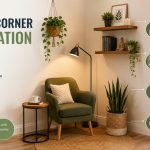


Minimalist decor means fewer, better-chosen pieces, a limited color palette, and furniture that serves more than one purpose. It’s not about an empty apartment — it’s about removing anything that isn’t functional or genuinely liked. In a small US apartment, that approach usually solves clutter and space problems at the same time.
The Problem: Small Apartments Fill Up Fast
The average US apartment has shrunk in square footage over the past decade, even as the amount of stuff people own has stayed the same or grown. That mismatch is where clutter comes from. A studio or one-bedroom apartment with standard furniture — a full sectional, a large dresser, multiple side tables — runs out of usable floor space almost immediately.
The instinct is often to buy more storage to manage the clutter, but that usually just relocates the problem instead of solving it. More bins and shelves mean more surfaces to fill, and the apartment ends up feeling just as tight as before.
The Solution: Fewer, Multi-Purpose Pieces
Minimalist decor flips the approach: instead of storing more, own less. A daybed that works as a sofa and a guest bed. A storage ottoman that replaces both a coffee table and an extra dresser. A drop-leaf table that expands for guests and folds flat the rest of the time. Each piece earns its floor space by doing more than one job.
What Defines Minimalist Decor?
Minimalist decor is defined by a limited number of items, a cohesive color palette (usually neutral with one or two accent tones), and furniture chosen for function as much as looks. It’s less about a specific aesthetic and more about intentional editing — every object in the space has a reason to be there.
Color Strategy for Minimalist Apartments
A tight, neutral palette makes a small apartment feel larger because the eye isn’t bouncing between competing colors. Whites, warm grays, and soft beiges are common bases, with wood tones and one accent color — sage green, terracotta, or navy — layered in through textiles and small decor.
- Pick one base neutral for walls and large furniture
- Add warmth through wood tones rather than extra colors
- Limit accent colors to one or two, repeated across the space
- Use texture — linen, wool, woven fiber — instead of pattern for visual interest
Furniture That Earns Its Space
Before buying anything for a minimalist apartment, it helps to ask whether the piece does more than one job. A coffee table with drawers. A bed frame with built-in storage. Nesting side tables that tuck away when not in use. This filter naturally keeps the apartment from filling up with single-purpose furniture.
Local Insights: What Works in US Apartment Layouts
Many US apartments, especially in cities with older housing stock, have awkward layouts — narrow galley kitchens, small entry closets, or living rooms that double as a dining area. Minimalist decor adapts well here because it prioritizes flexible furniture over fixed, room-specific pieces. A round dining table that seats two comfortably but expands for four handles a combined living-dining space better than a large rectangular set.
Apartments with in-unit laundry closets or minimal storage also benefit from the minimalist approach to closets — fewer, better pieces of clothing on slim velvet hangers can nearly double usable hanging space compared to bulky plastic hangers.
Budget Minimalist Decor
Minimalism doesn’t require an expensive furniture overhaul. It often means buying less, but choosing pieces that last — a well-made secondhand dresser over three cheap organizers, for example. Facebook Marketplace and local thrift stores are common sources for solid wood furniture that fits a minimalist palette at a fraction of retail cost.
How Do I Make My Apartment Feel Minimalist on a Budget?
Start by removing, not buying. Clear surfaces, donate duplicate items, and see what the space feels like before adding anything new. Often the biggest shift in a minimalist apartment comes from subtraction, not a shopping trip, and it costs nothing beyond the time it takes to sort through what’s already there.
Common Pitfalls
Minimalist decor can tip into feeling cold or unfinished if texture and warmth get skipped in favor of pure simplicity. A few plants, a textured throw, and warm lighting keep a minimalist apartment feeling lived-in rather than sparse. The goal is editing, not emptiness.
Frequently Asked Questions
Is Minimalist Decor the Same as Modern Decor?
Not exactly. Modern decor refers to a specific design era and aesthetic, while minimalist decor is more about quantity and intention — a minimalist apartment can be modern, traditional, or anything in between, as long as it’s edited down to what’s functional and genuinely liked.
How Many Pieces of Furniture Should a Minimalist Living Room Have?
There’s no fixed number, but a common approach is one seating piece per person the room regularly hosts, plus a coffee table and one storage piece. Beyond that, additional furniture should serve a clear, repeated purpose rather than just filling space.
Minimalist Bedroom Considerations
A minimalist bedroom in an apartment usually centers on the bed itself, with a simple frame, a nightstand or two, and minimal additional furniture. Skipping a bulky dresser in favor of a well-organized closet, when possible, frees up floor space and keeps the room feeling calm rather than functional-heavy.
Japandi and Other Minimalist-Adjacent Styles
Japandi, a blend of Japanese and Scandinavian design principles, is a popular minimalist-adjacent style in small US apartments because it pairs minimalism’s restraint with natural materials and warmth. Think light wood tones, linen textiles, and a handful of ceramic or ceramic-adjacent decor pieces rather than a stark, all-white aesthetic.
Decluttering Before You Decorate
Before buying any new furniture, most apartments benefit from a full decluttering pass. Sort belongings into keep, donate, and discard categories, and give yourself a real deadline for the donate pile rather than letting it sit in a corner. This step alone often reveals that an apartment needs far less new furniture than initially assumed.
Maintaining a Minimalist Apartment Over Time
The hardest part of minimalist decor isn’t the initial setup — it’s resisting the slow creep of new purchases that don’t earn their place. A simple rule that works for many households: when something new comes in, something old goes out. This one-in-one-out habit keeps a small apartment from slowly refilling with items that don’t serve a clear purpose.