The biggest interior design trends for 2026 lean into warmth, texture, and personality after years of stark minimalism. Homeowners are mixing curved furniture, natural materials, and rich color with smart technology that stays out of sight. Below, you’ll find the eight trends showing up most often in new builds, renovations, and design showrooms across the country, along with practical ways to bring each one into your own home.
Why Interior Design Is Shifting Away From Pure Minimalism
For most of the last decade, all-white walls and empty countertops defined “good design.” That look is fading. People spent more time at home in recent years and started craving rooms that feel personal rather than staged for a photo. Designers are responding with layered textures, collected objects, and color that reflects who actually lives in the space.
This doesn’t mean clutter is back. It means intentional choices replace blank slates. A room can still feel calm while having a bold rug, a gallery wall, or a deep green accent wall.
Warm Minimalism Replaces Stark White
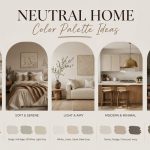
Warm minimalism keeps the clean lines of traditional minimalism but swaps cool grays and bright whites for creams, warm taupes, and soft browns. Wood tones, linen textiles, and matte finishes add coziness without adding visual noise.
If you want this look, start with your wall color. Trade a cool white for a warm off-white, then layer in natural wood furniture and woven baskets. A few ceramic pieces in earthy glazes finish the effect without overwhelming the room.
Curved Furniture Is Everywhere
Sharp right angles are giving way to rounded sofas, arched doorways, and curved kitchen islands. The soft shapes make rooms feel less rigid and pair well with both modern and traditional homes.
You don’t need to replace every piece of furniture to get this look. A single curved accent chair, an arched mirror, or a rounded coffee table can soften an entire room. Curves also work well in small spaces because they reduce the harsh visual lines that make rooms feel boxy.
Biophilic Design Brings the Outdoors In
Biophilic design focuses on connecting indoor spaces to nature through plants, natural light, and organic materials like stone, rattan, and unfinished wood. It’s grown from a niche wellness trend into a mainstream design approach because it genuinely improves how a room feels to live in.
Simple ways to add biophilic elements include grouping houseplants near windows, swapping synthetic rugs for jute or sisal, and choosing furniture with visible wood grain instead of painted or laminate finishes. Even a single large plant can shift the feel of a room.
What Colors Are Trending in 2026?
The dominant 2026 palette moves away from all-gray schemes toward earthy greens, warm terracottas, and deep chocolate browns, often paired with creamy neutrals. These colors read as grounded and comforting rather than trendy or fleeting, which is part of why designers expect them to stick around.
Accent walls remain popular, but the application has changed. Instead of one bright pop wall, many homeowners are painting trim, ceilings, or even door frames in a contrasting tone for a more layered, architectural effect.
Statement Lighting as a Design Anchor
Lighting fixtures have moved from purely functional to genuinely sculptural. Oversized pendant lights, sculptural floor lamps, and mixed-metal chandeliers now serve as the focal point of a room the way a piece of art might.
When choosing statement lighting, scale matters most. A fixture that’s too small will look like an afterthought, while one sized correctly for the room instantly elevates the space. Over a dining table, a good rule of thumb is choosing a fixture roughly two-thirds the width of the table.
Textured Walls Add Depth Without Color
Not every homeowner wants bold paint colors, and textured walls offer an alternative. Limewash finishes, plaster techniques, and grasscloth wallpaper add visual interest through texture instead of hue, which works well in rentals or homes where a future owner might want a more neutral base.
Limewash in particular has grown fast because it creates a soft, cloud-like variation on the wall that photographs beautifully and ages gracefully compared to flat paint.
How Is Technology Changing Interior Design?
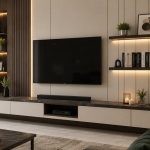
Smart home technology in 2026 is being designed to disappear into the decor rather than stand out as gadgets. Thermostats, speakers, and lighting controls are increasingly built into furniture, mirrors, and wall panels so the tech supports the design instead of competing with it.
This shift matters for resale value too. Buyers increasingly expect smart features, but they don’t want visible wires, bulky hubs, or mismatched devices cluttering a well-designed room.
Should You Renovate Now or Wait for Trends to Settle?
You don’t need to renovate immediately to enjoy these trends. Large structural changes, like curved kitchen islands or built-in smart systems, are worth planning carefully since they’re expensive to undo. Smaller updates, like a new lighting fixture, a textured accent wall, or swapping in warmer paint tones, let you test a trend without major cost or commitment.
A practical approach is to start with furniture and accessories, live with the change for a few months, then decide whether bigger structural updates make sense for your home and budget.
Room-by-Room Trend Highlights
Living Rooms: Curved sectionals, warm neutral palettes, and oversized statement lighting dominate.
Kitchens: Textured cabinet finishes, stone backsplashes, and hidden smart appliances are replacing all-white kitchens.
Bedrooms: Layered lighting, natural fiber rugs, and earthy color palettes support a calmer, more grounded feel.
Bathrooms: Limewash walls, curved vanities, and warm metal fixtures are replacing cold, all-white designs.
Budget-Friendly Ways to Try These Trends
You don’t need a full renovation budget to bring 2026 trends into your home. Paint is still the cheapest way to shift a room’s entire feel, whether that means a warmer neutral on the walls or a limewash-style textured finish using a specialty roller technique. Swapping hardware on cabinets and furniture, from sharp brass pulls to rounded matte black or brushed bronze knobs, echoes the curved-furniture trend without buying new pieces.
Secondhand and vintage shopping also fits naturally with where design is headed in 2026, since collected, layered rooms rely on pieces that feel found rather than matched from a single catalog. A single vintage lamp, an inherited side table, or a flea-market mirror often does more for a room’s personality than several new items bought together as a set.
For renters or anyone hesitant to commit to structural changes, textiles offer the lowest-risk entry point. A natural fiber rug, linen curtains, and a few textured throw pillows bring in the warmth and organic materials driving 2026 trends without touching a single wall.
How Regional Climate Shapes These Trends
Interior trends don’t play out identically across the country. In hot, sun-heavy regions like the Southwest, warm minimalism often leans into cooler undertones within the neutral palette to avoid a space feeling overheated visually as well as literally. In colder northern climates, deeper, richer colors and heavier textiles tend to dominate through the winter months, supporting the layered, cozy feel that’s central to the warm minimalism trend.
Humidity also matters for material choices. Natural fiber rugs and unsealed wood surfaces, both popular in the biophilic design trend, need more careful placement in humid coastal climates to avoid moisture damage, while they perform well with little extra care in drier regions.
Frequently Asked Questions
Are gray interiors going out of style?
Cool gray tones are fading in favor of warmer neutrals like taupe, cream, and soft brown, though gray hasn’t disappeared entirely from trim and accent pieces.
What is the easiest trend to try on a budget?
Adding textured throw pillows, a natural fiber rug, or a single statement lamp lets you test 2026 trends without a full renovation.
Do these trends work in small apartments?
Yes. Curved furniture, warm lighting, and biophilic touches like plants actually help small spaces feel less boxy and more inviting than stark minimalist decor.
How long do interior design trends typically last?
Color and material trends tied to natural elements, like warm wood tones and earthy palettes, tend to have more staying power than trends built around a specific decorative object or pattern.